by Ty Tagami | Capitol Beat News Service
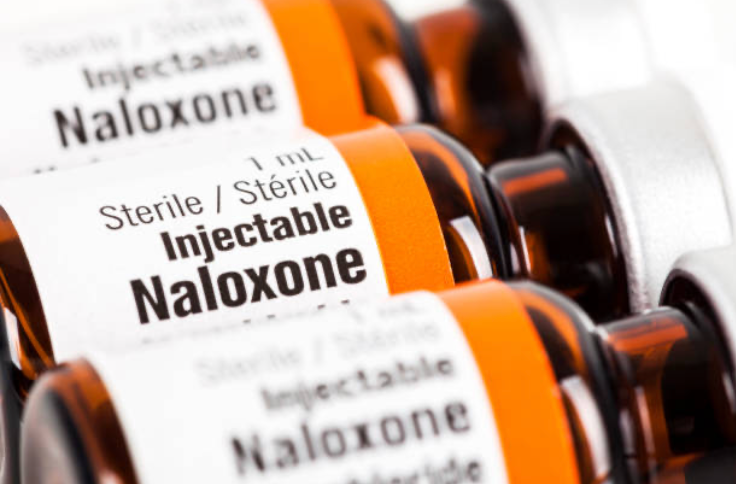
ATLANTA — In a nod to the spread of opioids, Georgia is installing overdose reversal kits at all 2,300 public schools in the state using money from a legal settlement with the pharmaceutical industry.
Distribution began this fall in parts of metro Atlanta and in southwest and central Georgia. The initiative is expected to be completed statewide by spring.
“The opioid settlement funds give us a once-in-a-generation opportunity to turn tragedy into prevention,” Kevin Tanner, commissioner of the Georgia Department of Behavioral Health and Developmental Disabilities, said in a statement announcing the distribution Friday. “Putting overdose reversal kits in every Georgia school is a practical, compassionate use of those dollars. It means we are giving our educators and communities a fighting chance to stop a preventable death.”
The Georgia Department of Education is partnering with Tanner’s agency to distribute training resources to school staff. State School Superintendent Richard Woods said the partnership will ensure every school is ready for an emergency.
The initiative comes after Senate Bill 395 became law last year. Sen. Clint Dixon, R-Buford, co-sponsored “Wesley’s Law” in memory of a family member who died of a fentanyl overdose. The law requires schools to stock naloxone — a product branded as Narcan or Evzio — and allows teachers and other school staff to carry and administer the medication on school property.