Active Fuel Management is a feature of most V8 engines now built by General Motors. Sometimes called displacement on demand, or DOD for short, this feature runs the V8 engine on four cylinders when cruising or at other low power situations. Using solenoids, the system manipulates oil pressure to collapsable roller lifters to close the valves to the deactivated cylinders, thus saving fuel and raising the average MPG.
I have had the “pleasure” of fixing quite a few of these systems, and they are mostly terrible. The system relies on nearly perfect oil pressure, complicated solenoids for control, and timing done by a program in the engine control module. It is also paired with lifters that can fail and eat the camshaft lobes clean into nothing.
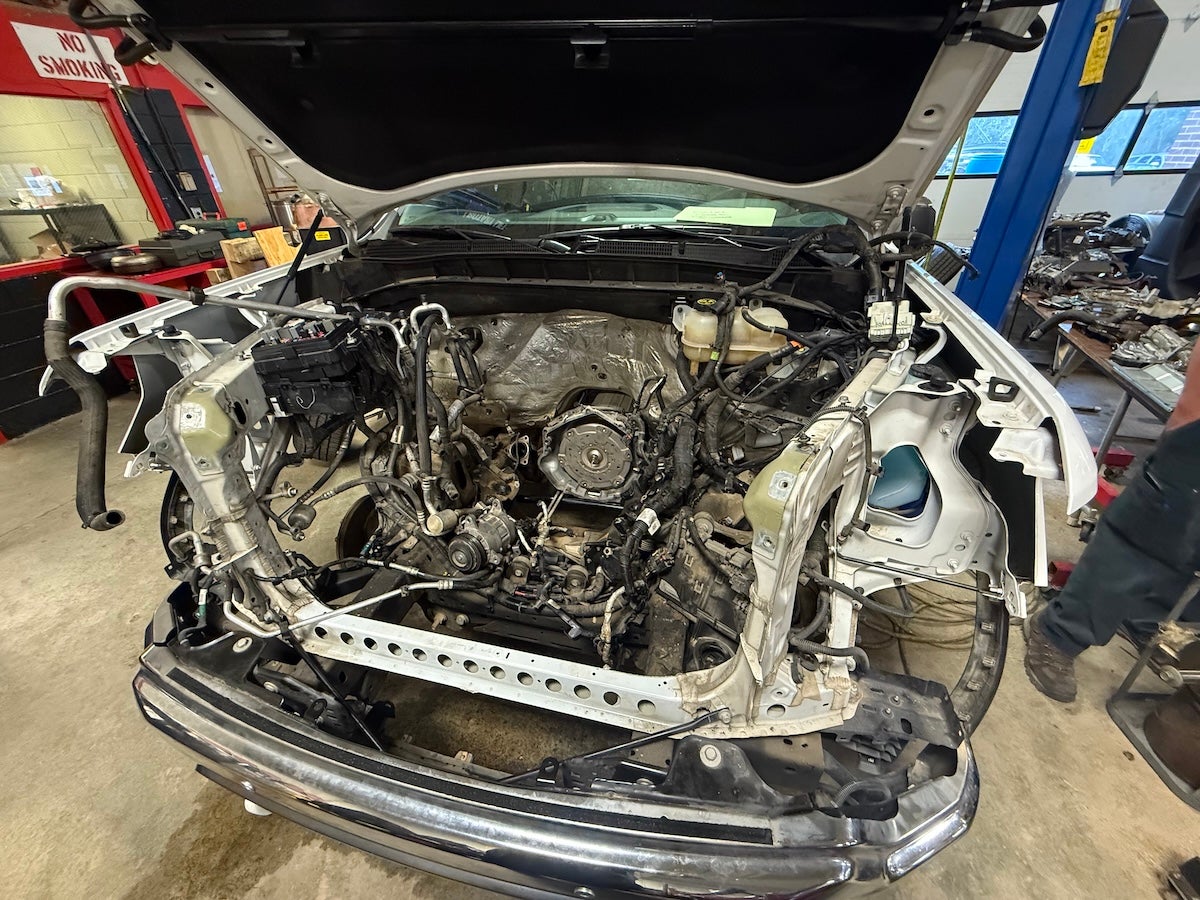
One of these systems came into my shop last week due to a tapping noise and a misfire on two cylinders. The 5.3-liter V8 was in a 2021 Chevy Silverado with 150,000 or so miles on it and the truck was just bought by the owner. The deeper we got into the inspection the worse things we found. Soon enough, the truck was spread out over two bays.
Upon inspection, we found that two of the pushrods to two of the cylinders were bent, the lifters had failed, and the camshaft was ruined. This also spread metal particles through the engine and caused some main and rod bearing damage. The owner of the truck now needs a remanufactured engine at a cost of about $6,000.
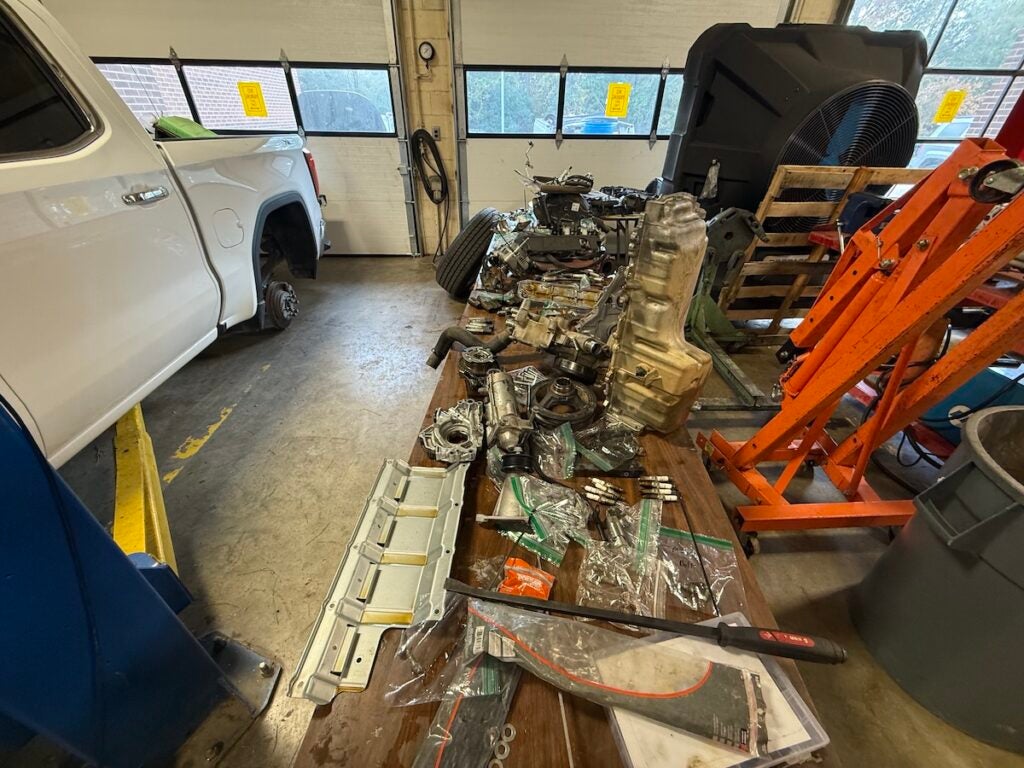
So much for fuel savings.
To say this situation is rare would not be truthful. These systems have so many problems that aftermarket companies make kits that delete the whole system, then the engine control module is reprogrammed to forget it ever had it. When we replace this engine, we will be doing just that at the customer’s request.

According to GM, DOD can increase fuel economy by 12%, but according to Black Bear Performance, a company that specializes in DOD deletes, the real-world savings are about 5-7% in their testing.
With the truck getting an EPA rated 23 miles to the gallon on the highway, and having 150,000 miles, that means the truck has used around 6,521 gallons of fuel to this point at best. This equates to $19,565 spent at $3.00 a gallon. If we use the lofty GM number on fuel savings, we get $2,347 in possible, but not probable fuel savings. That won’t pay for a ruined engine.
So why does GM do this? Well, they aren’t the only manufacturer with systems like this to increase fuel economy. Everyone is in on squeezing the absolute most miles per gallon out of every car in the fleet.
The reason why is because of the Corporate Average Fuel Economy standard set by the National Highway traffic Safety Board. In short, the MPG of all cars produced by a company must average out to 49.7 MPG for 2025. This means trouble for companies that sell larger trucks and SUVs, like GM. Either they must make more of their super-efficient cars like the Bolt and the Sonic to even out their gas guzzlers, or they must add features like DOD and annoying start/stop to the entire lineup. Failure to meet standards leads to huge fines. Or at least it used to be that way.
CAFE standards are not new. First put into place in 1975 in response to skyrocketing fuel prices, they are tweaked politically from time to time in the names of environmental and consumer protection. Recently, the fines have been removed by the Trump administration as part of the “Big Beautiful Bill,” leaving any enforcement toothless. Rules on tailpipe emissions still stand through the Environmental Protection Agency, so it isn’t exactly a free for all.
While administration may change and rules come and go, I feel that we are truly getting the most efficiency we can out of the internal combustion engine. Any more “innovation” and reliability will plummet further. Consumers will not tolerate the repair bills in trade off for a few saved cents at the gas pump. Cars and trucks are way too expensive nowadays to be disposable in a few years.

As for me, I will see you on the road!
Taylor Bryant is a master auto mechanic who is an instructor at Augusta Tech.